One of the first conversations I have with a client during an interior design project is about investment. And I know it is not always everyone’s favorite question.
Sometimes clients hesitate. Sometimes they genuinely do not know what their project should cost. And sometimes I think there is a little fear that if they give me a number, I am automatically going to find a way to spend every penny of it.
That is not why I am asking.
When I ask what you want to invest in your home, I am trying to understand whether the vision you have for your project and the amount you are comfortable investing can realistically align. Because everyone has a cap.
It does not matter whether you are renovating a $500,000 home or building a multimillion dollar custom home. At some point, there is an amount you are comfortable investing in the project. Knowing that number gives us parameters to work within and allows us to make much more intentional decisions about where those dollars should go.
In other words, your investment is not a conversation that happens after the design. It is part of the design itself.
Even the Smallest Design Decisions Can Affect Your Investment
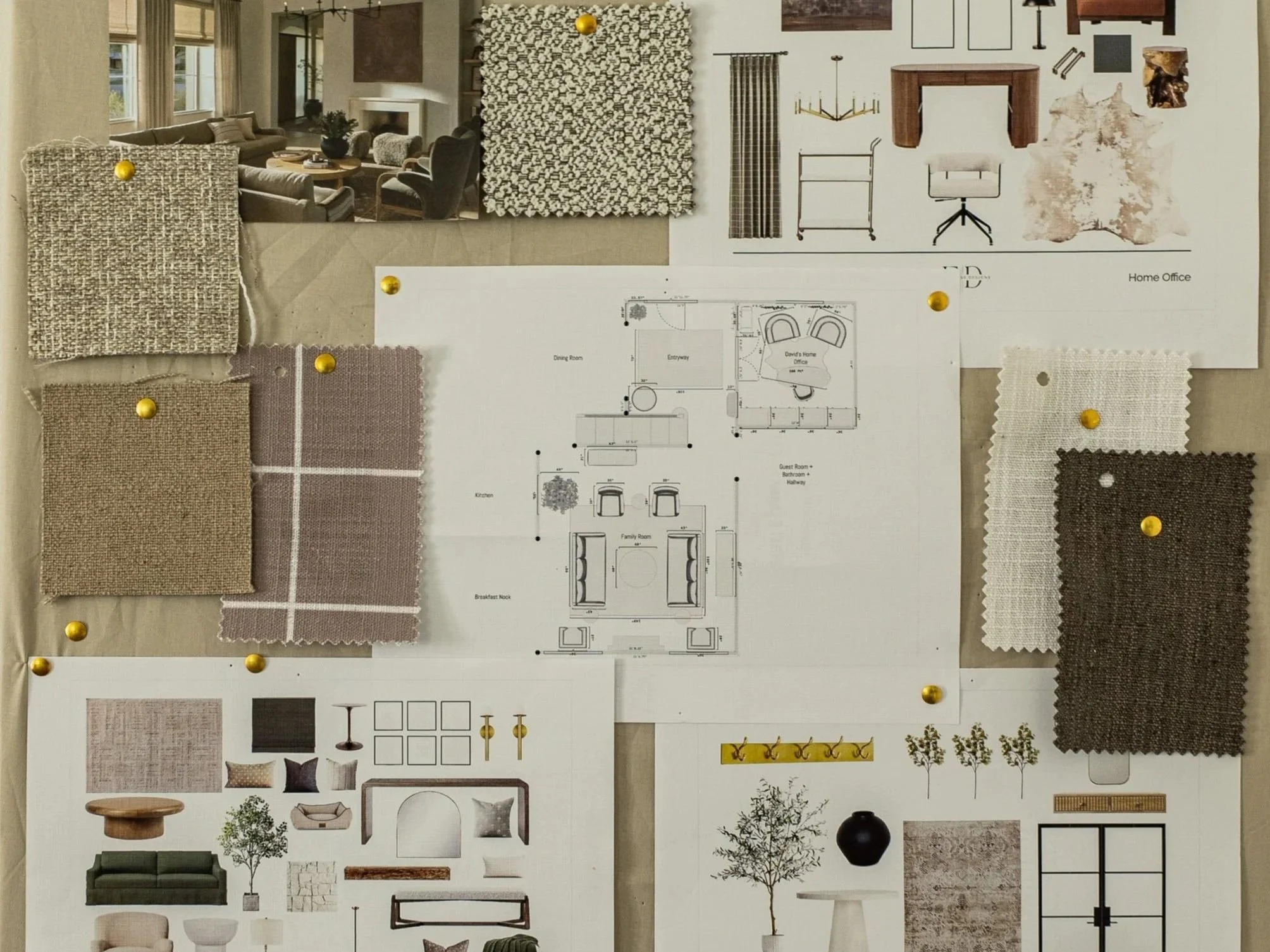
This came up recently on one of our projects. We had selected tile for a bathroom and specified a herringbone layout. From the client's perspective, the material itself had not changed. It was still the same tile. But the way we were asking the installer to lay that tile changed the amount of labor involved.
A straightforward vertical or horizontal tile layout is generally simpler to install than a herringbone or basket weave pattern. More intricate layouts can require additional cuts, planning, installation time and ultimately labor. So before moving forward, we made sure our client understood that. The herringbone pattern was intentional. It supported the overall design of the bathroom and gave us the look we wanted, but it would require a larger investment than the more straightforward layout we had considered.
Our client was able to get the quote, understand the difference and make an informed decision. In this case, she decided that the herringbone was worth it, so we kept it. That is exactly how I want these conversations to happen.
It wasn't about telling her she couldn't have something. It was about making sure she understood what that design decision meant before it was installed.
Pinterest Inspiration Is Not the Same as a Design Plan
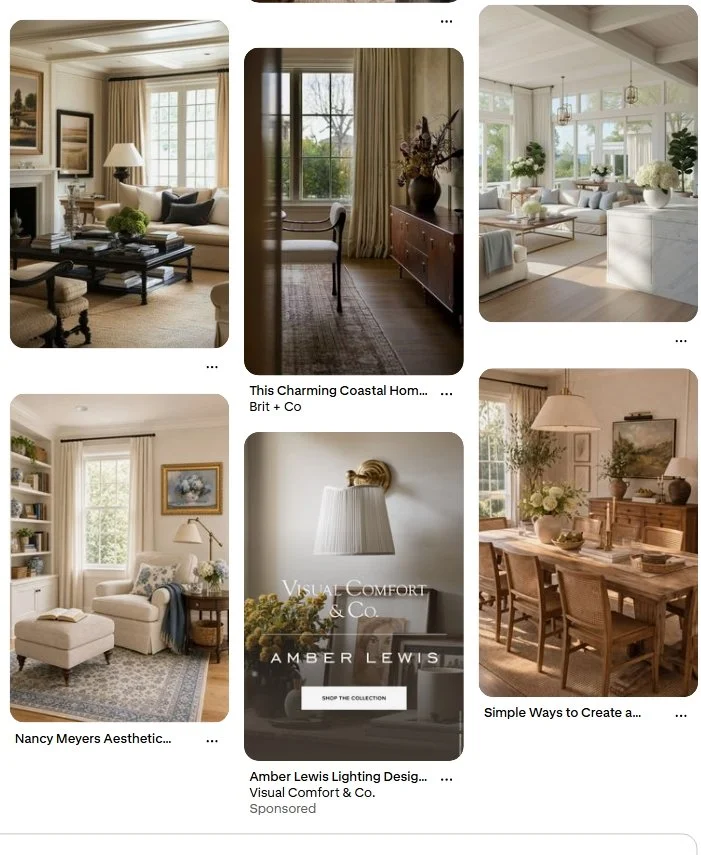
This is also why I encourage clients not to get too far into the pretty part before we have talked about the practical part. Believe me, I know it is fun to save kitchens on Pinterest, browse lighting, walk through showrooms and send your designer the house you fell in love with on Instagram.
Also, please do. I want to see all of it. Those images tell me so much about what you are drawn to.
But an inspiration image and an executable design plan are two very different things. You may love the cabinetry in a particular kitchen, the natural stone throughout another home or an architectural detail you saw online. My job as your designer is to figure out what you love about it and then determine how that idea translates into your home, your architecture, your family's needs and… you guesed it, your investment.
Sometimes we can recreate the feeling in a completely different way. Sometimes we can do even more. And sometimes we have to simplify an idea so that we can protect the things that matter more to you elsewhere in the home. That is not watering down the design. That is designing it responsibly.ver it is, the way you tell your story online can make all the difference.
What Happens When We Design First and Talk About Money Later?
This is where I see projects become unnecessarily stressful. A homeowner falls in love with the design first. Then the pricing comes in. Suddenly, there are decisions everywhere.
Do we change the cabinetry?
Reselect the lighting?
Simplify the tile?
Remove an architectural detail?
Choose a different sofa?
Change the countertop?
Now the client is disappointed because the design they were already emotionally attached to needs to change. The designer has additional work to do. The builder may need to reprice things. And what started as an exciting process can quickly become overwhelming.
This is one reason we talk about investment early within our interior design process at Effortless Designs. I would much rather design something thoughtfully within realistic parameters from the beginning than present you with a beautiful design that was never realistic for your project in the first place.
Where Should You Invest More in Your Home?
There isn't one answer I can give every client. It depends on you. One of my general rules is simple: where you're going to get the most use is where we put the dollars.
Imagine a family where someone works outside frequently and comes through the mudroom every afternoon with muddy boots. That tells me something. We may want to invest more in durable flooring and finishes in that space because they need to withstand daily life.
Another family may spend every evening cooking together. In that home, I may recommend putting more of the overall investment toward quality cabinetry, countertops and the things they will touch and use every single day.
Maybe your family loves opening the doors on a beautiful afternoon and letting fresh air flow through the house. Larger windows, bifold doors and a thoughtfully designed outdoor living area may be worth prioritizing.
Or perhaps you're particularly sensitive to light when you sleep (which was the case for one of our clients). In that case, quality window treatments and room darkening solutions in the bedroom may matter much more to your quality of life than an expensive detail in a guest room you rarely use.
That is why I don't believe in a blanket formula that says every homeowner should spend more on the same things.
“Every family is different. Every routine is different. And every home should reflect that.”
Your Designer Needs to Know When You Want More
There is another side to the investment conversation that doesn't get talked about nearly as often. I don't want to underdesign your home either.
If you have the ability and desire to invest in higher quality materials, better construction, natural stone, custom details or furnishings that can serve your family for years, I need to know that.
At our Athens, GA interior design studio, we believe in a high low approach. We don't believe every single item in a home needs to carry the highest price tag. Instead, we look at the project as a whole and determine where quality, craftsmanship and additional investment will make the greatest difference.
That might mean investing substantially in the cabinetry your family will use every day while selecting something simpler somewhere else. It could mean choosing an incredible sofa for the family room while pulling back in a guest bedroom that is only used a few times a year. The goal isn't to spend more simply because you can. The goal is to make sure the home we're designing actually reflects the level of quality, detail and experience you want.

Bottom line, I want you to know that your investment gives us a framework, not a limitation. I think this is the part I wish more homeowners understood before beginning a renovation, new build or whole home furnishing project.
When your interior designer asks about your budget or investment range, we are not asking because we want permission to spend every dollar available.
We are trying to understand your priorities. We are trying to determine whether your vision and investment align. And we are trying to give you realistic expectations before you fall in love with something that doesn't make sense for your project.
Knowing your investment gives us a framework within which we can get creative. And when that conversation happens early, we can spend much more of the design process asking “What is most important to you?” rather than asking “What do we need to take away?”
To me, that is a much better way to design a home. Because a successful design is not the one where we spent the most or squeezed the most things into the project. It is the one where, when everything is finished, you can look around and understand why we invested where we did. Your home works for your family. The materials make sense for the way you live. The details you cared about are there. And your investment was used intentionally to bring that vision to life.
Your investment isn't separate from your design. It is one of the tools we use to create it.
If you're planning a renovation, new build or whole home design project in Northeast Georgia, Effortless Designs helps families navigate both the beautiful decisions and the practical ones. Our goal is to create a home that feels distinctly yours while making thoughtful decisions about where your investment will have the greatest impact.