The other day, while sourcing for an upcoming custom build, I was reviewing tile selections for several bathrooms. As I moved from one option to the next, I found myself thinking less about the tile itself and more about the home it was going into. This happens all the time as an interior designer. As I am designing I often think about how a home would be lived in, how this family would move through it each day, and how these decisions would still matter years from now. Moments like that always bring me back to the same truth: not all design decisions carry the same weight.
As an interior designer, I spend a lot of time helping clients in Northeast Georgia focus on what truly lasts. When you’re investing in a custom build, renovation, or full-home furnishings, the decisions you’ll live with the longest deserve the most care.
Today, I thought I’d share the six that I truly believe matter more than most.
1. The Layout and Flow of Your Home
Long after finishes are chosen, the layout is what shapes daily life. How you move through your home in the morning. Where everyone naturally gathers. Whether routines feel intuitive or constantly interrupted. These things should be determined early as they quietly influence how your home feels every single day.
When clients come to me planning a full home project, this is where we spend a lot of time. A thoughtful layout, whether a floor plan or a furniture space plan or both, is one of the most meaningful investments you can make in a home designed for the long term.

Design: Effortless Designs Photographer: Micah Laplante
2. Ceiling Height and Overall Proportion
Ceiling height is one of those decisions that quietly shapes how a home feels the moment you walk in. It’s not something most homeowners think about right away, but it’s something you live with every single day.
Proportion matters just as much as height. A room with tall ceilings but the wrong scale can feel disconnected or uncomfortable, while a room with a lowered ceiling height can feel incredibly warm and intentional. As an interior designer, I spend a lot of time considering how ceilings relate to architecture, millwork, and furnishings so everything feels balanced and cohesive.
This is one of those decisions that, once made, becomes part of the home’s foundation. When it’s right, the home feels grounded and inviting. When it’s not, something always feels slightly off, even if you can’t immediately name why.
3. Lighting Placement and Layering
Lighting influences how a home feels at every hour of the day, not just how it looks in photographs.
Thoughtful lighting design supports morning routines, evening wind-downs, and everything in between. It’s about more than selecting fixtures but really understanding where light is needed, how it moves through the home, and how it interacts with architectural features. Contrary to what some may say, there is more to lighting than just adding another recessed light into the ceiling.
Layered lighting allows a home to adapt naturally to daily life. It creates warmth, comfort, and a sense of ease that simply can’t be added later without disruption. This is why clients often bring in an interior designer early: lighting decisions are an important part of protecting the long-term investment you’re making in your home.

Design: Effortless Designs Photographer: Robert Peterson
4. Architectural Millwork and Built-Ins
Millwork is one of the most impactful long-term investments you can make in a home, yet it often works quietly in the background.
Built-ins provide structure, organization, and visual calm. They support daily routines without drawing attention to themselves. Over time, they help a home feel settled and complete rather than simply built.
In our Georgia projects, millwork often becomes the backbone that allows everything else to function smoothly. It supports storage needs, reduces visual clutter, and creates continuity from room to room. When designed thoughtfully, millwork becomes part of the home’s architecture rather than something added later.
5. Transitions Between Rooms
Transitions are the connective tissue of a home. I know. It sounds like more of a medical term but it’s true.
Doorways, staircases, hallways, and thresholds guide how you move through your home and how one room relates to the next. When these transitions are thoughtfully designed, a home feels fluid and intentional rather than segmented.
As an interior designer, I pay close attention to these moments because they’re often overlooked. Yet they have a powerful influence on how a home is experienced day to day. Well-considered transitions create rhythm and continuity, allowing a home to feel cohesive and calm even as life within it stays busy.
6. Foundational Furnishings and Scale
While furnishings can evolve over time, foundational pieces often stay with a family far longer than expected.
Scale plays a major role here. Furnishings should feel appropriate not only for the room they’re in, but for the home as a whole. Ceiling height, layout, and architecture all influence how a piece will function and feel long term.
I often encourage clients to think of foundational furnishings as part of the overall investment in their home. Fewer, higher quality pieces that are selected alongside architectural decisions tend to support comfort, functionality, and longevity far more effectively than constantly swapping items in and out.
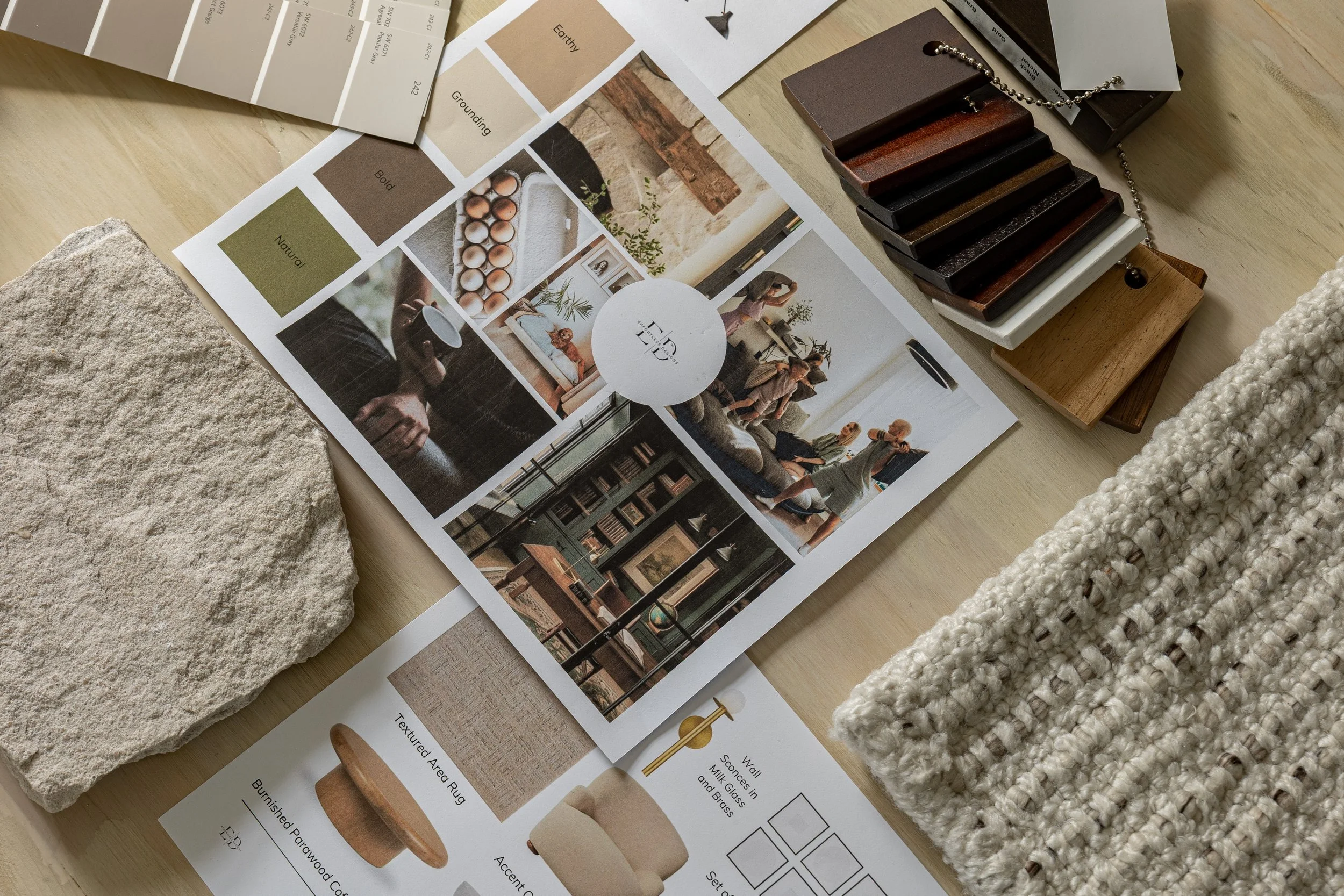
Design: Effortless Designs Photographer: Micah Laplante
Designing With the Long View in Mind
When you step back, these decisions have one thing in common: they’re not about trends. They’re about how your home supports real life.
Many of the families I work with are creating homes meant to serve them for decades. It’s their forever home. My role as an interior designer is to help guide these long-term decisions so your home feels livable and aligned with the investment you’re making.
If you’re preparing for a custom build, renovation, or full-home furnishings, I hope this list encourages you to slow down and think beyond what’s immediately visible. The design decisions you’ll live with the longest are the ones that quietly shape your home every day and they’re worth getting right.