If I had a dollar for every time a client shared that clutter is their biggest challenge at home, I could design an entire home office just for the pleasure of it. And honestly, I understand it completely.
As an interior designer, this is one of the most common frustrations I hear especially from families who are busy, active, and deeply invested in their homes. It’s not that there’s anything wrong with their house. It’s that it feels full. Overstimulated. Like there’s never quite a place for the eye or the mind to rest.
That’s where negative space comes in.
Why We Struggle With “Too Much”
Historically, clutter has often been tied to comfort and success. More furniture meant more function. More objects meant more personality. More collections meant more stories. But psychologically, too many visual inputs can quietly create stress. Our brains are constantly processing what we see, and when every surface is filled, every wall is speaking, and every corner is competing for attention, it can feel exhausting. The home is full but there is something disrupting that you can’t quite put your finger on.
Many of my clients in Northeast Georgia come to me already carrying this awareness from past homes or previous projects. They’ve lived in spaces that felt visually heavy or harder to manage than expected, and as they begin planning a new build, renovation, or full-home furnishings project, they’re looking for an interior designer who can help them make more intentional decisions from the start. Often, what they’re really seeking isn’t less. They are seeking breathing room. A home that feels calm and designed to support how they actually live
…And Then There’s the Other Extreme
On the flip side, we’ve all seen interiors that take minimalism a little too far.
Rooms so minimal they feel untouchable. Homes that look beautiful in photographs but don’t invite you to sit down, put your feet up, or actually live there. Historically, extreme restraint has often been associated with discipline or status. However, without warmth, it can feel cold and disconnected.
And let’s be honest, most people aren’t interested in living inside a museum. They want a home that is expertly layered and welcomes them back at the end of each day.
The Balance: Where Negative Space Truly Shines
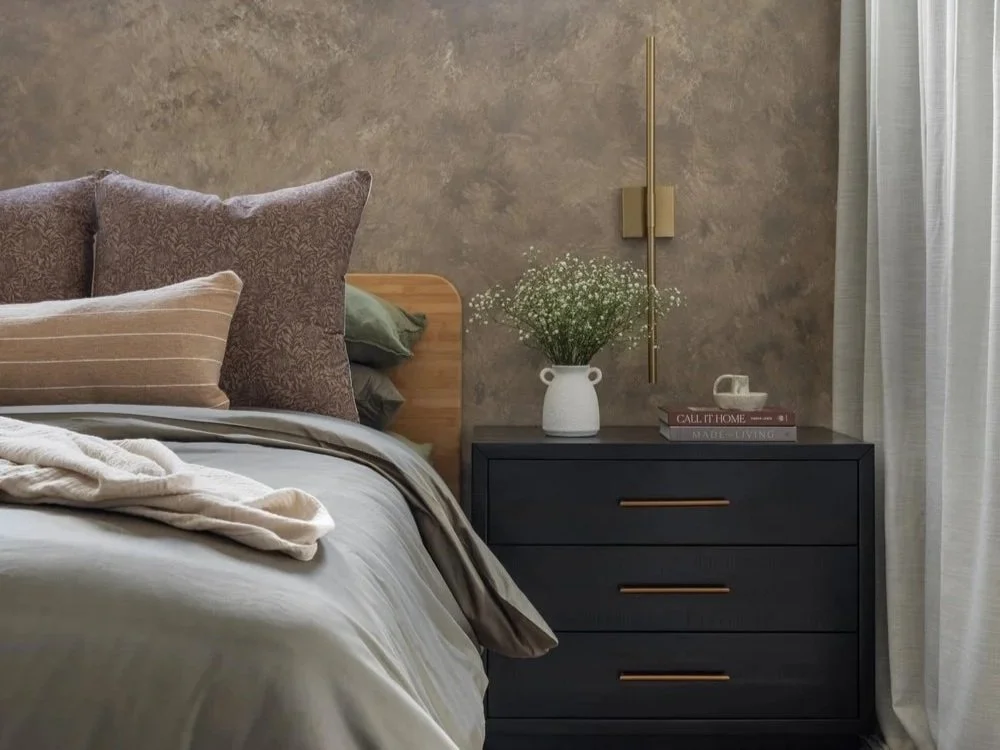
This is where negative space becomes such a powerful design tool. Negative space isn’t about emptiness. It’s about intention. It’s the space between things such as the pauses that allow architecture, furnishings, and materials to actually be appreciated. As an interior designer that strives to design timeless homes, I think of negative space the same way I think about punctuation in a sentence. Without it, everything runs together. With it, the message becomes clear.
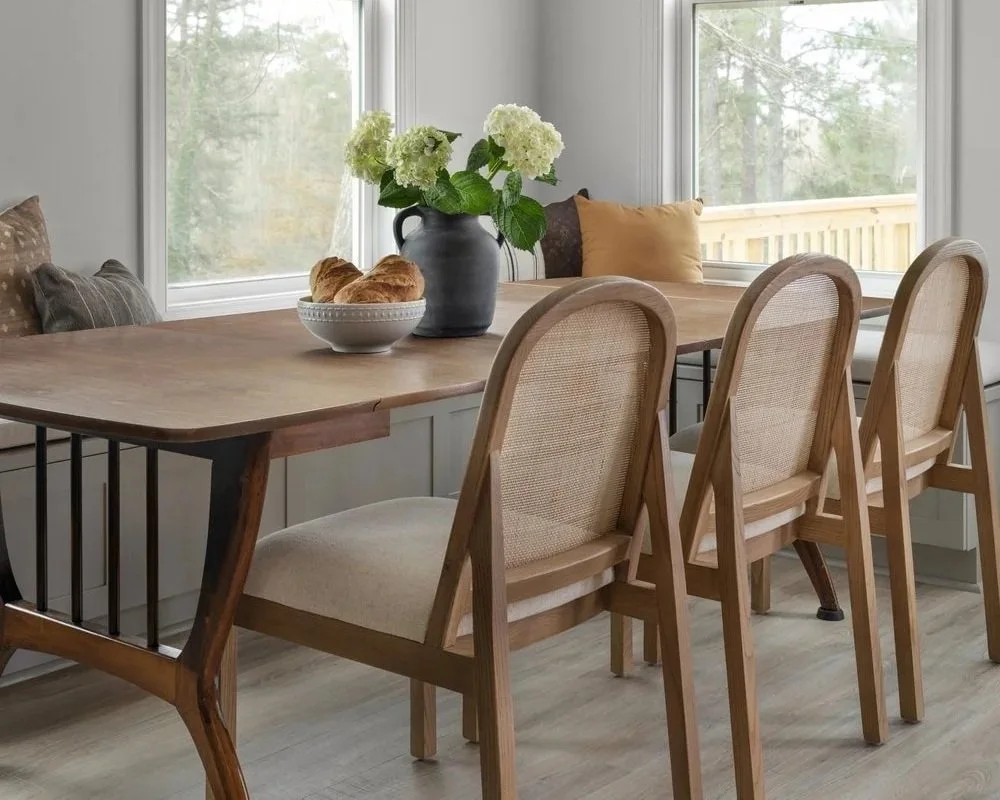
When working with any home at our studio, we intentionally design for this balance. Enough pieces to feel layered and personal. Enough open space to feel calm and livable.
Why We Design This Way
At Effortless Designs, negative space is not an afterthought. Negative space is part of our design approach from the very beginning. When we plan a room, we’re not asking, “What else can we add?” We’re asking, “What does this space need to function beautifully?”
That might mean fewer furnishings with better proportions. Thoughtful storage that keeps everyday items out of sight. Architectural moments like millwork or built-ins that do the heavy lifting so surfaces can remain clear.
Clients often tell me that once their home is complete, they feel calmer. That’s negative space doing its job.
Negative Space in Real Life (Yes, Even With Pets and Kids)
To keep things simple and straightforward, this doesn’t mean your home has to feel precious or untouchable.
In fact, some of the most livable spaces I’ve designed for our client’s family homes are the ones where negative space allows real life to happen without visual chaos. Toys come out. Homework happens. People gather. And when things are put away, the home resets effortlessly.
That’s the goal: a home that feels calm, not empty.
Negative space is not about having less for the sake of less. It’s about creating room for your family, your routines, and your life to unfold without constant visual noise. If you’re feeling overwhelmed in your home, it may not be that you need more. It may be that your home is asking for clarity, balance, and intention.
As an interior designer working with families across Northeast Georgia, my goal is always to help you create a home that feels complete and quietly supportive. Not one that shouts, but speaks beautifully. And yes, sometimes that means leaving a little space on the table.